


Exploring the Vibrant Tapestry of New Orleans Cultures
- Glen Henley

- Dec 29, 2025
- 4 min read
New Orleans stands apart as a city where history, music, food, and traditions blend into a unique cultural experience. This city’s identity reflects centuries of influence from French, Spanish, African, Caribbean, and Native American roots. Visitors and locals alike find themselves immersed in a place where every street corner tells a story, every meal offers a taste of heritage, and every celebration honors a rich past. Understanding New Orleans means exploring its diverse cultures that shape its character and spirit.

The French and Spanish Foundations
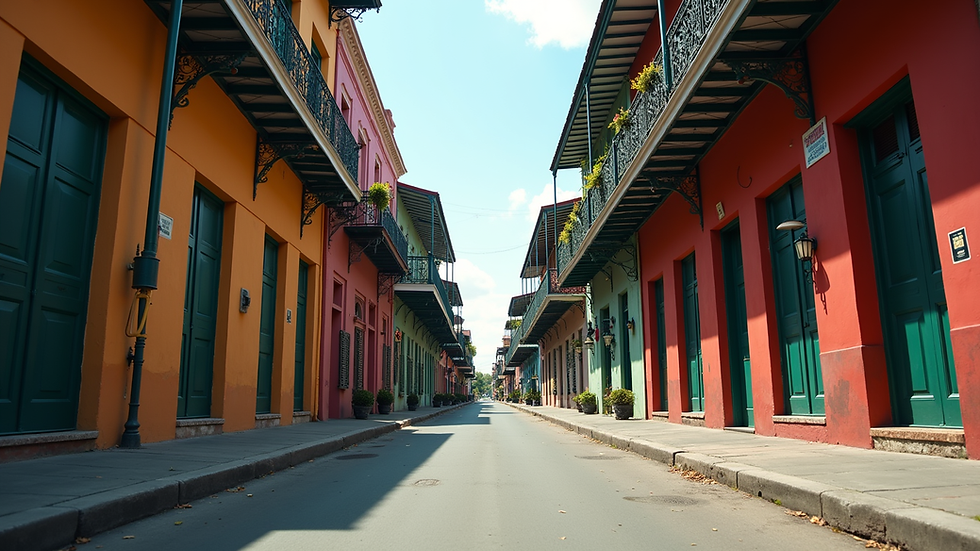
New Orleans began as a French colony in 1718 before passing to Spanish control in 1763. These European powers left a lasting mark on the city’s architecture, language, and legal system. The French Quarter, with its wrought-iron balconies and narrow streets, remains a vivid reminder of this heritage. French influence also shaped the city’s early Catholic traditions and festivals.
Spanish rule introduced new building styles and urban planning, including the famous grid layout of the city. The blending of French and Spanish cultures created a foundation for New Orleans’ distinct identity. For example, the city’s legal system still reflects elements of the Napoleonic Code, unlike the rest of the United States.
African and Caribbean Influences
The African diaspora has deeply influenced New Orleans culture, especially through music, cuisine, and religion. Enslaved Africans brought to the region contributed rhythms and traditions that evolved into jazz, blues, and gospel music. The city is often called the birthplace of jazz, a genre that grew from African musical roots combined with European instruments.
Caribbean influences arrived through migration and trade, adding spices, dance styles, and religious practices. The Haitian Revolution in the late 18th century brought refugees who enriched the city’s culture. This connection is evident in the vibrant Mardi Gras Indian traditions, where African-inspired costumes and chants celebrate resilience and community.
Creole Culture and Identity
Creole culture is a cornerstone of New Orleans’ identity. Originally, the term “Creole” referred to people born in the colony of European descent, but over time it expanded to include mixed-race individuals and those with African, French, Spanish, and Native American ancestry. Creole culture blends language, food, music, and customs from these diverse backgrounds.
Creole cuisine is a highlight of the city’s food scene, featuring dishes like gumbo, jambalaya, and étouffée. These meals combine French cooking techniques with local ingredients and African spices. The Creole language, a French-based dialect, still influences the local speech and expressions.
Music as a Cultural Heartbeat
Music defines New Orleans in many ways. Jazz, born in this city, grew from brass bands, blues, ragtime, and spirituals. Legendary musicians like Louis Armstrong and Jelly Roll Morton helped shape the sound that spread worldwide. Today, live music fills the streets, clubs, and festivals year-round.
Beyond jazz, New Orleans is home to brass band parades, second-line dances, and zydeco music. These styles reflect the city’s multicultural roots and community spirit. Music also plays a key role in celebrations like Mardi Gras and the Jazz & Heritage Festival, drawing locals and tourists together.
Religious and Spiritual Traditions
New Orleans’ religious landscape is diverse and deeply tied to its culture. Catholicism, brought by French and Spanish settlers, remains prominent with grand churches and vibrant celebrations like All Saints’ Day. At the same time, African spiritual practices blended with Catholicism to create unique traditions such as Voodoo.
Voodoo in New Orleans is a complex religion with African origins, often misunderstood but integral to the city’s history. It influences art, music, and folklore. Visitors can explore Voodoo museums, attend ceremonies, or learn about famous practitioners like Marie Laveau.
Festivals and Celebrations
The city’s calendar is packed with festivals that showcase its cultural richness. Mardi Gras is the most famous, featuring parades, masked balls, and street parties. This event reflects the city’s French Catholic roots and its love for community gatherings.
Other important festivals include the Jazz & Heritage Festival, which celebrates music and local crafts, and the French Quarter Festival, highlighting regional food and culture. These events offer opportunities to experience New Orleans’ traditions firsthand and connect with its people.
Food as a Cultural Expression
New Orleans cuisine tells stories of its diverse cultures. Creole and Cajun dishes use local ingredients like seafood, rice, and spices to create bold flavors. Classic dishes include:
Gumbo: A hearty stew with seafood, sausage, and okra
Jambalaya: A rice dish with meat, vegetables, and spices
Beignets: Fried dough pastries dusted with powdered sugar
Food markets, family-run restaurants, and street vendors all contribute to the city’s culinary scene. Sharing a meal here means tasting history and culture in every bite.
The Role of Language and Storytelling
Language in New Orleans reflects its multicultural past. English is dominant, but French and Creole phrases still appear in everyday speech. Storytelling, whether through music, oral history, or literature, preserves the city’s heritage.
Local writers and poets capture the spirit of New Orleans in their work, sharing tales of resilience, joy, and struggle. Storytelling also happens in social gatherings, where history and humor pass from generation to generation.
Preserving Culture in a Changing City
New Orleans faces challenges in preserving its cultural heritage amid development and natural disasters. Efforts by community groups, museums, and cultural organizations help protect historic sites and traditions. Education programs teach younger generations about their roots.
Tourism plays a role in sustaining culture but also risks commercialization. Balancing growth with authenticity remains a priority for many residents who want to keep the city’s soul intact.


Comments